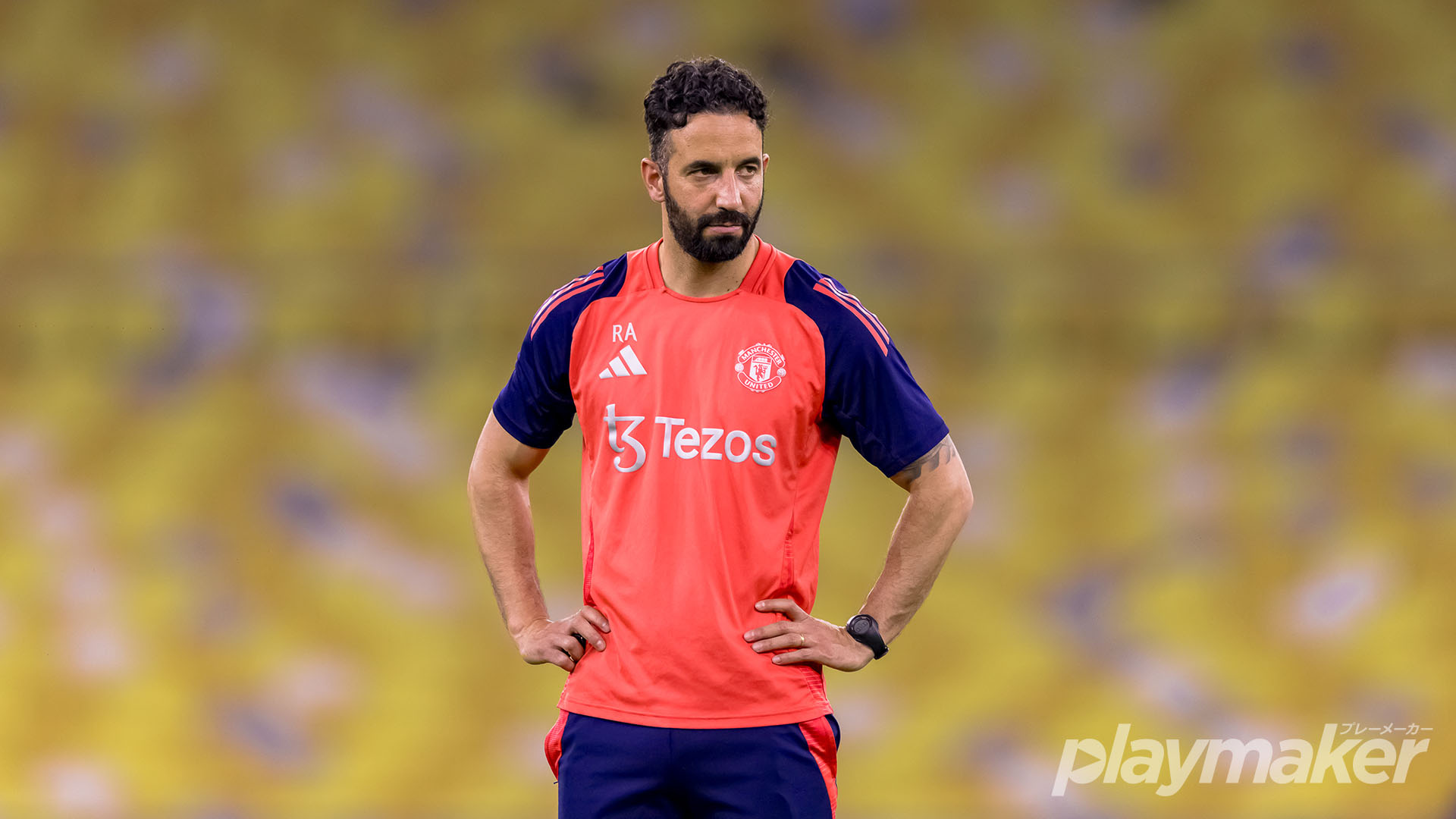
2026, JANUARY 05 – Rúben Amorim’s departure from Manchester United FC brings an abrupt end to a project that never truly aligned — in authority, structure or expectation.
Appointed in November 2024 as head coach, Amorim arrived with the belief that he would operate as a manager — a figure with responsibility not only for results on the pitch, but for shaping the squad, setting direction and driving the football project forward. From the outset, that distinction mattered.
The disconnect became public following Sunday’s 1–1 draw away to Leeds United FC. In a candid and emotionally charged press conference, Amorim pushed back against growing speculation over his position and clarified how he viewed his role within the club.
“I came here to be the manager of Manchester United, not the coach,” he said.
“I’m not going to quit. I will do my job until another guy is coming here to replace me.”
Those words were not defiance for its own sake. They reflected a manager increasingly aware that the control he believed he had been promised did not exist in practice.
At the centre of the tension was recruitment. Amorim believed reinforcements were needed in January to sustain United’s push for UEFA Champions League qualification. After finishing 16th last season, United were back in contention this campaign — with European qualification within reach and a congested fixture list ahead.
The failure to secure AFC Bournemouth forward Antoine Semenyo, followed by confirmation that no further January signings would be pursued, sharpened that frustration. While resources were available in specific cases, broader decisions remained firmly outside Amorim’s influence.
When he suggested the media were receiving “selective information”, it hinted at something deeper than a disagreement over transfers — a sense that communication, trust and alignment within the football operation had begun to fracture.
United’s hierarchy — led by director of football Jason Wilcox, CEO Omar Berrada and minority owner Sir Jim Ratcliffe — operate within a modern sporting structure designed to centralise decision-making. Amorim, by contrast, referenced managers such as Thomas Tuchel, Antonio Conte and Jose Mourinho, whose authority extended far beyond the training ground.
The gap between those two models proved impossible to bridge.
Despite leading United to a UEFA Europa League final last season and maintaining clear tactical principles, Amorim departs with the team sitting sixth in the Premier League. The decision was not mutual, and he remains under contract until June 2027 unless appointed by another club.
Darren Fletcher will take charge on an interim basis starting with Wednesday’s trip to Burnley.
In the end, Amorim did not fail because of a lack of ideas or ambition. He failed because the project itself was never fully agreed upon. At Manchester United, that absence of alignment has ended many tenures — and it has claimed another.